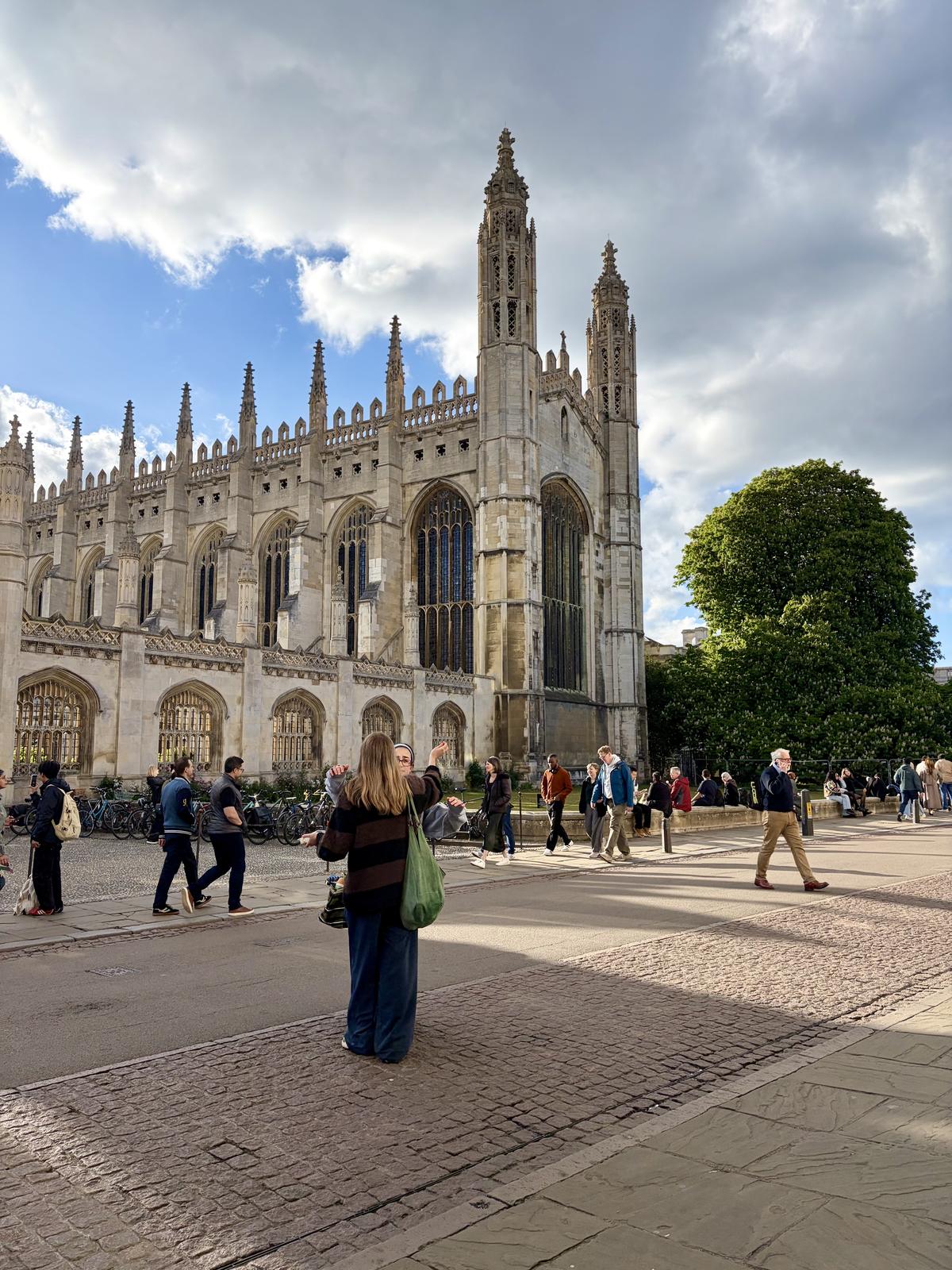
I just got back from a trip to the UK to visit schools and (somewhat serendipitously) a handful of friends. Naturally, I also did some exploration of transit and cycling during my trip. Here are a few of my observations on English transportation infrastructure.
Perhaps the main takeaway is that cycling infrastructure in both Cambridge in London is underwhelming. Streets are lined with two yellow stripes that cyclists are meant to stay as close to as possible. Of course, when cycling in England, one must remember to cycle on the left side of the road, rather than the right. As an American, this takes some adjustment, though I was surprised by how easily I adapted. I rented a bike for my last two days in Cambridge and, while not strictly necessary, it definitely made my trips around town more efficient. In London, I rented a Santander cycle and rode around White City, Notting Hill, and Kensington. I think once you understand one bike share system, you understand them all.
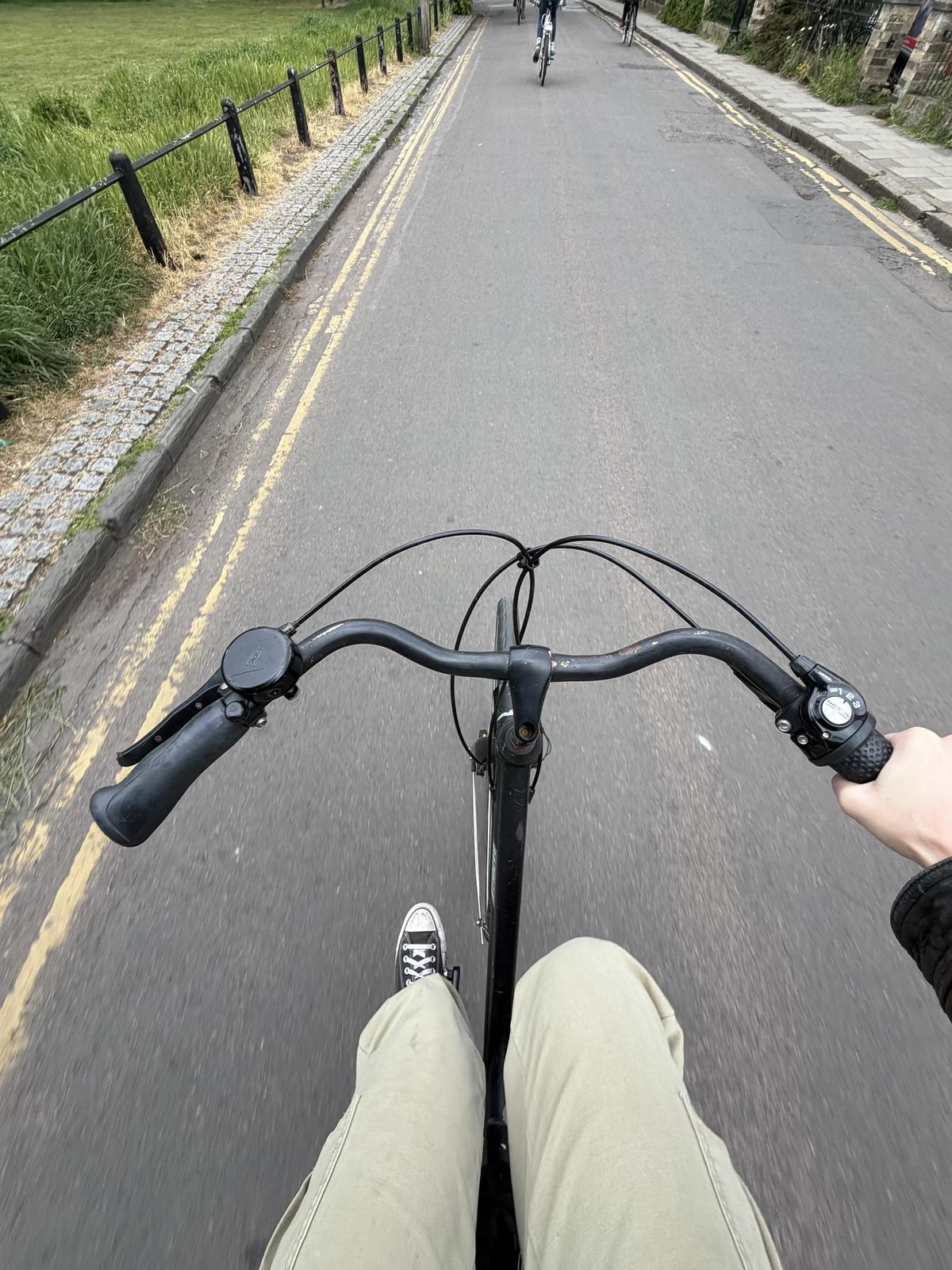
In both cities, I found the lack of bike lanes to be astounding: at most, there were painted cycle lanes on the street to the left of cars, and I don’t think I saw a single protected bike lane. Interestingly, Cambridge is renowned as a cycling city. It is flat, relatively temperate, small in area and is largely composed of students. I found bicycle parking difficult to come by, often having to cycle to a different bike rack further from my destination to lock my bike properly.
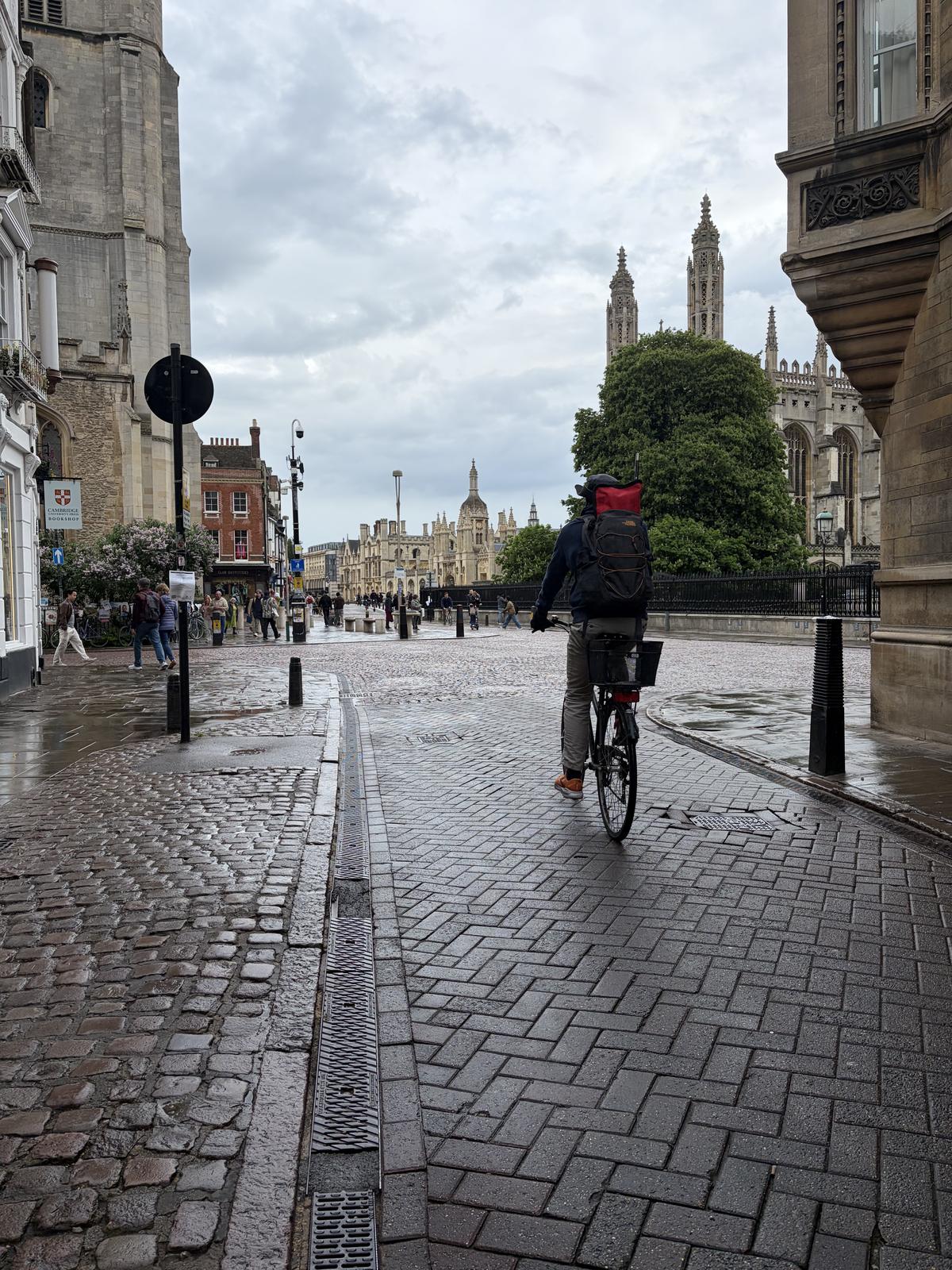
This leads to a surprising point: while the bikeability of Cambridge seems to be a product of culture, rather than infrastructure (read: drivers tend to expect and yield to cyclists, roads in central Cambridge are meant for cyclists), the culture still demands that everyone lock their bike. Not only do people lock the back wheel of their bikes, but they also secure the bike to a rack or pole. Compare this to Münster, Germany where the city’s characteristics are similar: university town, flat, favorable geography and climate, strong cycling culture. The two differences are Münster’s world-class infrastructure and tendency not to stress about securing cycles. It seems peculiar to me that a city like Cambridge that is clearly quite wealthy (see fancy fire station and public park bathroom facilities) would have such poor infrastructure and concerns of theft.
I have very little to complain about in the realm of transit. Though I heard many complaints about the privatization of national rail services, I can’t say I noticed any immediate downsides from this. My trips from London to Cambridge were reasonably priced and timely, and the ability to purchase an Anytime ticket (being able to take any train from London to Cambridge on May 14th, with trains running between the two destinations every 30 minutes) created less stress on my end, and one that only put me out a few extra pounds. This is a pricing option I wish we had in the Northeast corridor, though it does create intraday demand uncertainty.
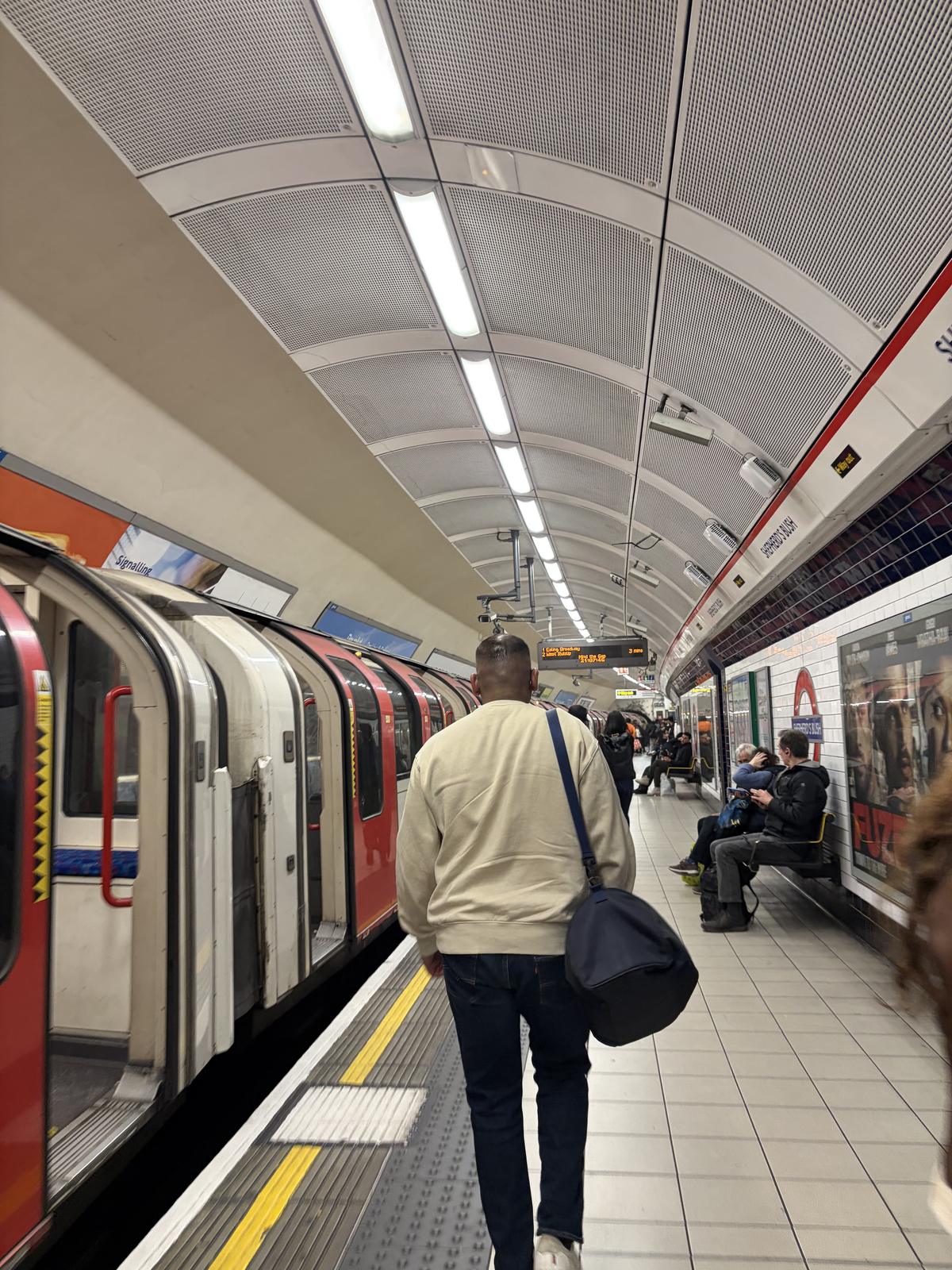
Finally, I really enjoyed my time navigating the city using the tube. Even though the tube network is significantly more complicated than DC’s metro network, I find that interpreting the signage is more intuitive; I could confidently walk into a station, glance at the signage and know which train to take and where to go. WMATA loves to tell you that a train is going in the direction of Downtown Largo or Branch Ave, but where are those places? Why not just say westbound or eastbound trains? I’d rather not have to memorize the endpoints of every transit line in the city in order to get around.
Overall, I feel very grateful that I was able to take this trip to get a feel for potential grad schools and experience the UK with an eye on transportation. I’m thrilled to be moving to London in the fall to study urban and regional planning through an economic lens and begin my journey of life abroad.